

Why Compete?
Deb Laferty Asbill addresses reservations some directors have about participating in Bands of America competitions and encourages the pursuit of positively life-changing experiences over the necessity of winning.
Read More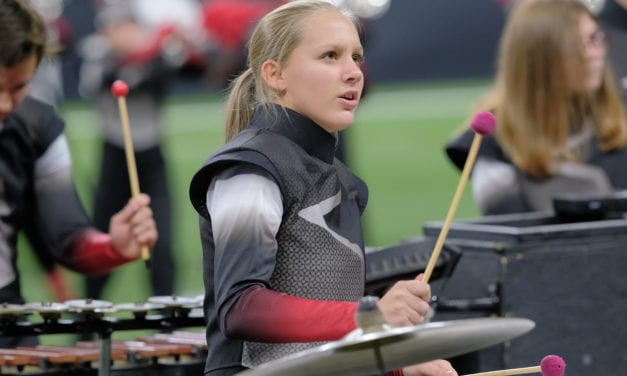
Deb Laferty Asbill addresses reservations some directors have about participating in Bands of America competitions and encourages the pursuit of positively life-changing experiences over the necessity of winning.
Read MoreRobert W. Smith shares tips for cultivating a sustainable band program with emphasis on recruitment and feeder programs.
Read More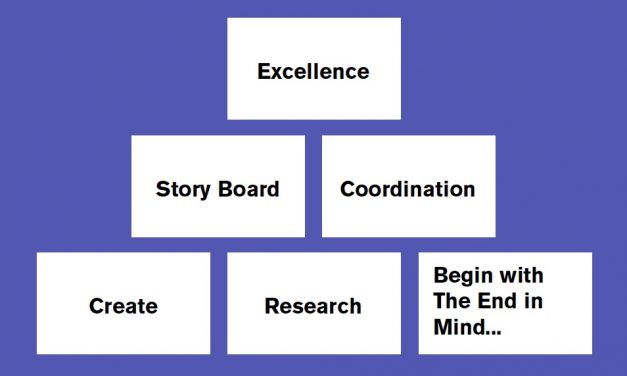
Kevin Ford shares his detailed process for designing a production which he calls “the design pyramid.”
Read MoreTim Allen shares his tips for small band success to help garner and maintain success.
Read More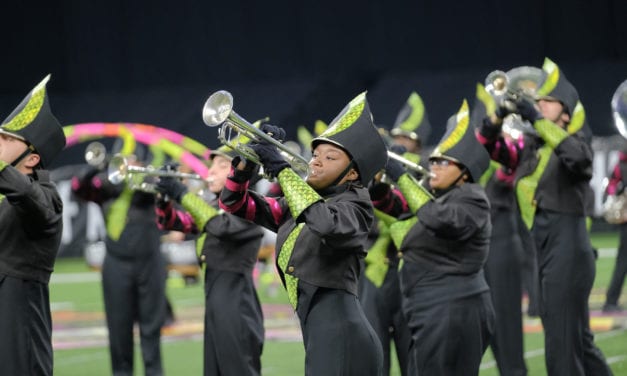
Bands of America Chief Judge Gary Markham shares his thoughts on competition and why the “reaction to competitive results” is the most important aspect.
Read MorePerformance coach Jon Skidmore discusses the psychological processes behind having a great performance.
Read MoreRead what participating directors and students had to say about their experiences at the 2005 Music for All National Festival.
Read More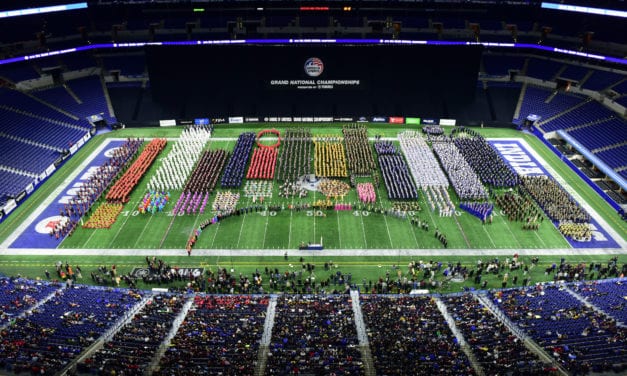
Dean Westman writes on the “journey towards excellence” as a perspective on competition.
Read More
A reflection on the life and work of Dr. Frederick Fennell, “messiah to the wind band world”
Read MoreGary Hill shares his thoughts on making concert band performances as impressive and engaging as marching band performances.
Read MoreThis excerpt from a session by Frederick Fennell at the 2004 Music for All Summer Symposium describes Fennell’s admiration for Percy Grainger and his fascination with Grainger’s work “Lincolnshire Posy.”
Read More
Frank Troyka shares thoughts on the 2004 National Festival as a director who has participated in various capacities since 1992.
Read More
Freddy Martin writes on how he chose to incorporate Bands of America adjudication sheets into the curriculum for his students.
Read More
This interview with three nationally-recognized band directors explains that maintaining a strong, successful marching band shouldn’t mean you have to sacrifice having a strong concert band.
Read MoreMary Karen Clardy shares tips for efficient practicing intended to leave musicians feeling encouraged and motivated.
Read More
A young student at Julliard reflects on how the life lessons he garnered through participation in high school band prepared him for his college experience.
Read More
Read about the lifelong impact of one teacher’s generosity on two middle school band students.
Read MoreFrom BOA to Blast! stage: how the Honor Band of America shaped life-long connections By: Jonathon Almond An empty computer screen is pretty intimidating. When I was asked to write about my experiences with Bands of America, I...
Read MoreDr. Tim Lautzenheiser shares some of his observations on what characteristics help band directors to be successful leaders.
Read MoreElizabeth Jackson breaks down what “good music” means to her, shares what considerations she makes when programming concerts, and lists some of her favorite band literature.
Read MoreMark Camphouse offers advice for young college-bound musicians – those who wish to be music majors AND those who do not.
Read MoreJoseph Neisler explains the benefits of developing sightreading skills as a musician and offers tips and exercises to improve your sightreading abilities.
Read MoreScott McCormick recounts his visit to Japan and what he learned from observing the All-Japan marching contests.
Read MoreDr. Tim Lautzenheiser writes on the changing demands of modern band directors and explains the difference between an approach that “demands excellence” and one that “desires excellence.”
Read MoreJeffrey Renshaw writes on observing rehearsals and studying field experts as essential parts of professional growth and development for conductors.
Read More
Gary Markham attempts the challenge of defining “general effect” in terms of ensemble adjudication.
Read MoreMark Lane shares how to deal with rejection and how to use it as a tool for continuous learning for your ensemble.
Read More